A. Trailer & Teaser Strategy
- Hindi vs. multilingual releases
- Platform-specific edits (e.g., vertical trailers for mobile-first audiences)
Introduction
Hindi films often rely on emotionally resonant trailers to build anticipation, while multilingual releases prioritize broader reach with dubbed or subtitled teasers. Increasingly, Indian cinema is adopting platform-specific edits—like vertical trailers for mobile-first audiences—to maximize engagement. Case studies such as Animal (Hindi) and Baahubali (multilingual) show how trailer strategies directly influence box office outcomes.
The trailer and teaser strategy in Indian cinema is a dynamic field, constantly evolving to meet audience consumption habits, particularly with the rise of pan-Indian films and mobile-first platforms. Here is a breakdown of the strategy, along with relevant case studies from Indian cinema.
I. Hindi vs. Multilingual Releases
The “pan-Indian” film phenomenon has made a multilingual trailer strategy a crucial component of a film’s success, aiming to capture the market beyond its primary language audience.
1. Hindi-Dominant Strategy (Traditional Bollywood)
- Focus: A single, high-production-value trailer/teaser primarily in Hindi (the largest cinema market).
- Adaptation: Subtitles or quick dubs into regional languages (e.g., Tamil, Telugu, Malayalam, Kannada) are done primarily for non-Hindi markets, often as an afterthought to secure distribution deals.
- Objective: To establish the film as a major Bollywood event.
2. Multilingual/Pan-Indian Strategy (New-Age Blockbusters)
- Focus: Simultaneous release of the trailer/teaser in the original language and multiple dubbed versions (often Telugu/Tamil, Hindi, Malayalam, and Kannada).
- Adaptation: The trailer is often cut to minimize reliance on dialogue and maximize universal visual appeal (action, spectacle, music, grand scale). Dialogue-heavy sections are re-recorded with star voice actors in each language to maintain authenticity. The promotional assets are branded for each language market from the start.
- Objective: To establish the film as an Indian event, breaking regional barriers.
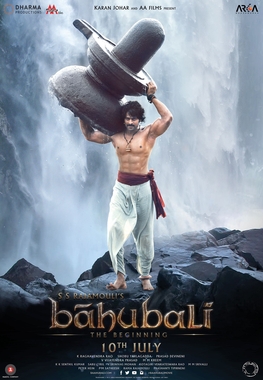
Case Study: Baahubali: The Conclusion (2017)
- Strategy: The film was originally made in Telugu and Tamil but its trailer campaign was launched simultaneously and identically across Telugu, Tamil, Hindi, and Malayalam.
- Execution: The trailers were edited to be heavy on universal cinematic spectacle, action sequences, and the iconic “Why did Kattappa kill Baahubali?” hook, which transcended language.
- Impact: The Hindi trailer alone garnered massive viewership, generating unprecedented buzz in the traditionally Bollywood-dominated northern markets. This multilingual strategy was key to the film grossing over ₹1,800 crores worldwide, proving the model for subsequent pan-Indian hits.
II. Platform-Specific Edits (Vertical Trailers for Mobile-First Audiences)
With India being a mobile-first country, and platforms like Instagram Reels, YouTube Shorts, and TikTok (before its ban) dominating short-form video consumption, filmmakers must now tailor their content to the vertical (9:16) format.
1. The Need for Vertical Edits
- Mobile Dominance: Over 94% of mobile users hold their phones vertically. A horizontal (16:9) trailer appears small and less immersive on a mobile screen.
- Attention Span: Short-form video platforms reward immediate engagement. A vertical edit must have a visual hook in the first 3 seconds.
- Platform Alignment: The algorithms of these platforms favor native vertical content, leading to higher engagement rates and completion views.
2. Platform-Specific Adaptation
- Format: Cut the 16:9 movie footage into a native 9:16 aspect ratio. This is not just cropping; it requires re-framing the shots to focus on the key characters or action within the narrow vertical frame.
- Pacing & Length: Edits are generally much shorter—typically 15 to 60 seconds—optimized for the platform’s constraints.
- Sound/Text: Since a majority of mobile users watch videos on mute, bold text overlays, subtitles, and captions are essential to convey the story, dialogue, or film title, making the content watchable even without audio.
- Content: Focus is on micro-drama (intense emotional close-ups, character reactions) rather than wide, sweeping cinematic shots that are lost in the vertical frame.
Example/Case Study: Promotional Reels/Shorts
While a full-length, two-minute vertical trailer is rare, creating several short-form vertical teasers and character spotlights is now standard practice:
- Strategy: For a major film release, the studio will often create dozens of 15-30 second vertical cuts from the main trailer footage.
- Content Types:
- “The Hook”: A fast-paced, high-impact clip with a jump scare, a climactic dialogue, or an intense action shot.
- “Character Spotlight”: A close-up on the lead actor with an inspirational or iconic dialogue overlay, using trending audio.
- “The Song Tease”: A vertical clip featuring a few seconds of a viral song from the film, encouraging users to create their own content with the sound.
- Impact: This strategy turns the trailer into multiple pieces of shareable, viral content. For example, the campaign for films like RRR or recent star vehicles in Bollywood (e.g., Pathaan, Jawan) heavily leveraged vertical snippets across their social channels to generate pre-release buzz, driving millions of organic views and ensuring they reached the youth audience that lives on the scroll. The success of these short-form snippets acts as a primary metric for the trailer’s ability to drive interest.
Key Takeaways for Strategy
- Hindi films: Focus on emotional storytelling and cultural resonance in trailers.
- Multilingual films: Invest in dubbing and subtitling to maximize reach.
- Platform-specific edits: Vertical trailers and micro-teasers are essential for mobile-first audiences.
- Data-driven approach: Trailer performance metrics (appeal, engagement, watch time) directly correlate with box office success.