Introduction
Effective use of conventional and non-conventional media in rural marketing leverages accessible, low-cost channels to reach low-literacy audiences, blending trusted traditional formats with innovative local tactics for high engagement. These complement message designs by prioritizing visuals, audio, and community touchpoints over digital-heavy approaches in infrastructure-limited areas.
A. Conventional media
Conventional media refers to traditional mass communication channels such as radio, television, newspapers, magazines, cinema, and outdoor advertising.
Effective Uses:
1. Radio
localization, andWhy Effective? Wide rural reach, language localization, low literacy barrier.
Example/Case Study:
Krishi Darshan (All India Radio): Broadcasts agricultural advice and product promotions, reaching millions of rural farmers.
2. Television
Why Effective? Audio-visual impact, demonstration capability.
Example/Case Study:
HUL’s “Kyunki Saas Bhi Kabhi Bahu Thi” product placements: promoted household brands to rural women through popular serials on Doordarshan.
3. Print Media
Why Effective? Local newspapers and magazines in vernacular languages.
Example/Case Study:
Seed and fertilizer companies regularly advertise in regional dailies, providing information on new products and usage tips.
4. Cinema Halls
Why Effective? Cinema halls serve as a community gathering space, providing a captive audience.
Example/Case Study:
Coca-Cola ran localized ads and product videos before movies in rural cinema halls, increasing brand recall.
5. Outdoor Media (Wall Paintings, Posters, and hoardings)
Why Effective? The effectiveness of outdoor media lies in its high visibility in public spaces.
Example/Case Study:
Wheel Detergent (HUL): Used wall paintings and murals in villages to reinforce brand messages where other media had limited reach.
B. Non-Conventional Media in Rural Marketing
Non-conventional media includes innovative, direct, and interactive channels that are not part of the traditional mass media mix. These are often more participative and tailored for rural contexts.
Effective Uses:
6. Folk Media (Puppetry, Dance-Drama, Street Plays)
Why Effective? High emotional appeal, cultural relevance, and active participation.
Example/Case Study:
Lifebuoy soap (HUL): Used puppet shows and nukkad nataks to demonstrate the importance of handwashing, making the message memorable and engaging.
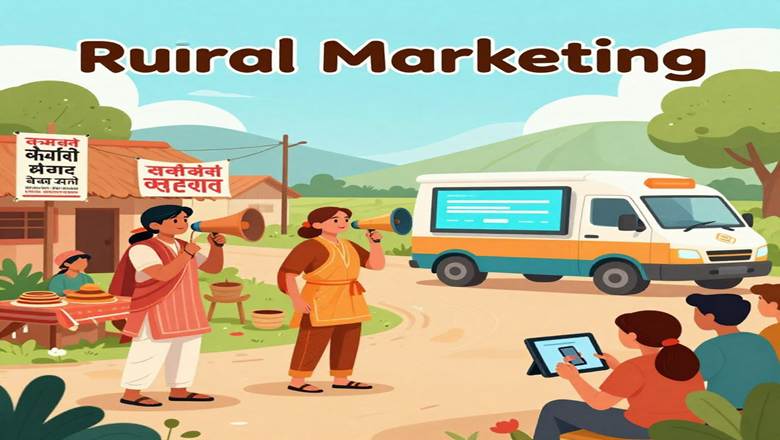
7. Mobile Vans and Roads hows
Why Effective? These strategies include physical presence in remote villages, live demos, and sampling.
Example/Case Study:
Colgate-Palmolive’s Rural Van Campaign: Vans toured villages, offered free dental check-ups, distributed toothpaste samples, and educated people on oral hygiene.
8. Haats and Melas (Weekly Markets and Fairs)
Why Effective? These events are effective due to their high foot traffic, interactive engagement, and product demonstrations.
Example/Case Study:
Britannia Industries: Set up stalls at melas to offer free biscuit samples, increasing awareness and trials in rural markets.
9. House-to-House Demonstrations
Why Effective? Direct, personal, and builds trust—especially for products like health, hygiene, and home care.
Example/Case Study:
Godrej Hair Dye: Trained promoters visited homes to demonstrate product use, addressing doubts and building confidence among rural women.
10. Partnerships with Local Influencers and Institutions
Why Effective? The strategy effectively leverages the trust and networks within the community.
Example/Case Study:
Tata Swach Water Purifier: Collaborated with self-help groups and NGOs for local demonstrations, resulting in higher adoption.
Conclusion:
A blend of conventional media (radio, TV, print, outdoor) and non-conventional media (folk media, mobile vans, haats/melas, house demos, local partnerships), tailored to the realities of the rural audience, ensures effective communication and deeper market penetration. Successful brands use these approaches strategically, often combining them for maximum impact.