Introduction
People in India’s rural areas buy things based on a mix of traditional ideals and changing goals. Differences in population, society, culture, and way of life contribute to this. Over 65% of India’s people live in more than 6 lakh villages. They favor value-for-money purchases based on community ties and seasonal incomes. Knowing these things helps marketers make plans for tactics that work for fast-moving consumer goods, durable goods, and digital products.
Of course! Let’s look at rural consumer behavior in India from the point of view of lifestyle, demographics, sociology, and culture, using examples and case studies to help us understand better.
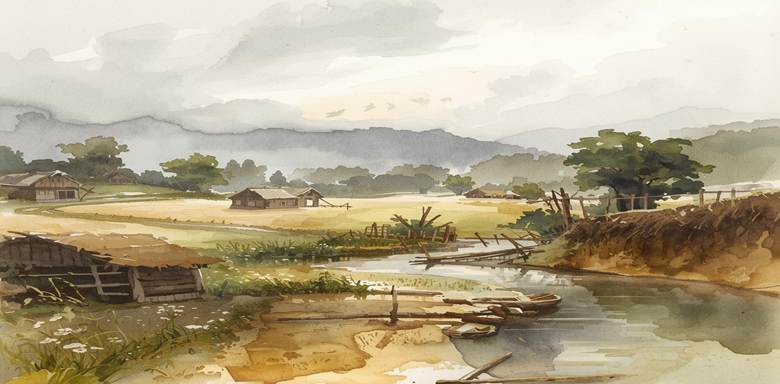
1. Understanding Rural Consumer Behaviour
Rural consumer behavior refers to the buying patterns, preferences, and attitudes of people living in rural areas. It is influenced by unique characteristics of rural society, which differ significantly from urban markets.
2. Demographic Perspective
Features:
- Population: Over 65% of India’s population lives in rural areas.
- Age: Rural populations often have a higher proportion of young people and children.
- Income: Generally lower and more seasonal (dependent on agriculture).
- Education: Lower literacy rates than urban India, though improving.
- Occupation: Dominated by agriculture, allied activities, and small businesses.
Example:
A rural family may delay purchasing a tractor until after the harvest season, when their income is highest.
3. Sociological Perspective
Features:
- Community Orientation: Decisions are often influenced by family, neighbors, and village elders.
- Role of Opinion Leaders: Sarpanch (village head), teachers, and successful farmers can shape opinions.
- Joint Family System: Purchase decisions may be made collectively, not individually.
- Gender Roles: Men often make major buying decisions, but women influence purchases related to food, clothing, and household needs.
Example:
A woman may influence the family’s choice of detergent or food brand, while men decide on agricultural equipment.
4. Cultural Perspective
Features:
- Tradition & Customs: Festivals, rituals, and traditions strongly impact consumption (e.g., buying gold during Diwali).
- Religion: Dietary choices, clothing, and celebrations are influenced by religious beliefs.
- Language: Local languages and dialects significantly contribute to marketing communication.
- Brand Loyalty: Once rural consumers establish trust in a brand, they tend to remain loyal.
Example:
During harvest festivals like Pongal or Baisakhi, sales of consumer durables (TVs, motorcycles) spike.
5. Lifestyle Perspective
Features:
- Simple Living: Preferences for practical, durable, and value-for-money products.
- Media Consumption: Rapidly increasing access to TV, mobile phones, and digital platforms, but word-of-mouth remains vital.
- Limited Access: Fewer retail outlets; weekly markets (haats) are common shopping hubs.
- Aspirations: Growing aspirations due to exposure to media and urban migration, yet strong ties to traditional values.
Example:
Haats are central to rural shopping; a local FMCG brand may distribute sample sachets at the weekly haat to boost awareness.
6. Case Studies
Case Study 1: HUL’s Project Shakti
- Background: Hindustan Unilever Limited (HUL) trained rural women to become direct-to-home sales agents for FMCG products.
- Demographic: Targeted women in villages with limited income opportunities.
- Sociological: Leveraged community trust and women’s social networks.
- Cultural: Women agents understood local customs and language.
- Outcome: Increased brand reach and empowered rural women.

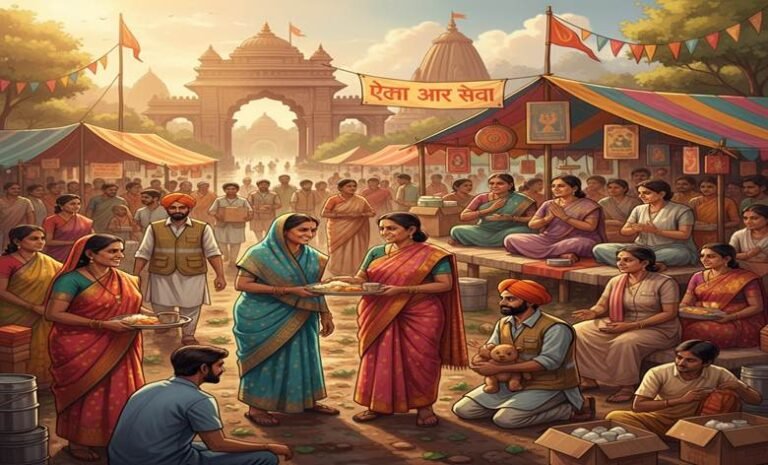
Here is an illustrative image representing HUL’s Project Shakti: It shows a group of rural Indian women dressed in traditional attire, smiling and standing together in a village setting. They are holding baskets and promotional materials featuring household products, symbolizing their role as Shakti entrepreneurs who distribute HUL products in rural areas. This image captures the essence of women’s empowerment and rural entrepreneurship that Project Shakti promotes.
Case Study 2: Mahindra’s Tractor Sales
Background: Mahindra & Mahindra, a leading tractor manufacturer, customized its sales approach for rural markets.
- Demographic: Focused on small and marginal farmers.
- Sociological: Organized demonstration camps and involved local opinion leaders.
- Cultural: Scheduled promotions around harvest festivals.
- Lifestyle: Offered finance schemes to align with seasonal cash flows.
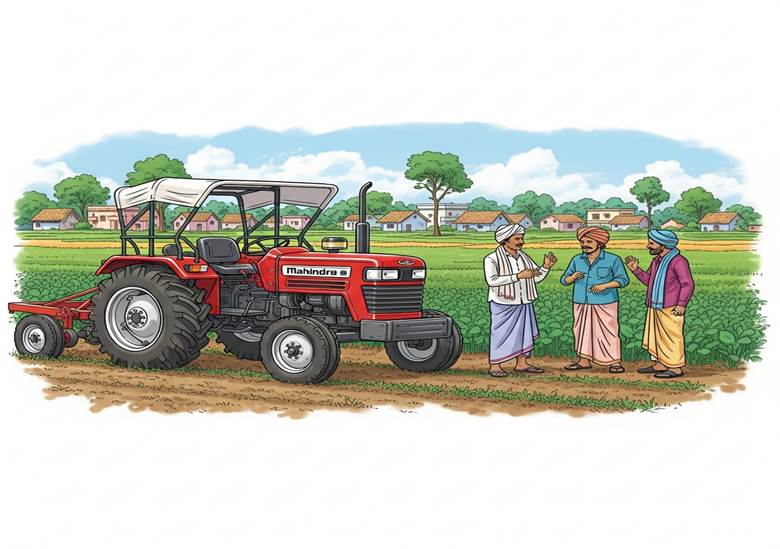
Here is a visual case study representation: Imagine a vibrant rural Indian landscape where farmers are actively using a red Mahindra tractor in lush green fields. The scene includes farmers in traditional attire working together and discussing it near the tractor, with rural homes in the background. This image highlights Mahindra’s strong presence and success in rural tractor sales, making it ideal for educational or marketing case studies focused on rural India.
Case Study 3: Coca-Cola’s Rural Strategy
Background: Coca-Cola introduced smaller, affordable bottles and deepened its distribution in villages.
- Demographic: Targeted lower-income groups with affordable pricing.
- Sociological: Used local influencers and village retailers.
- Cultural: Advertised using regional languages and festival themes.
- Lifestyle: Sold products through local kirana stores and haats.
- Sample Visual: Rural Lifestyle
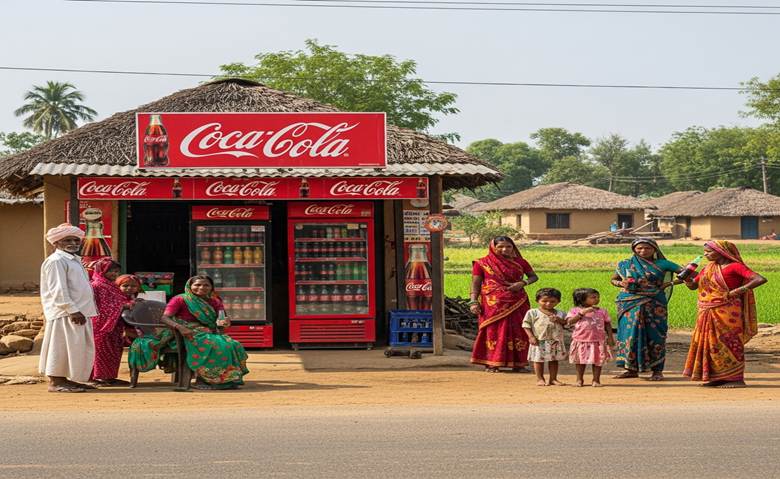
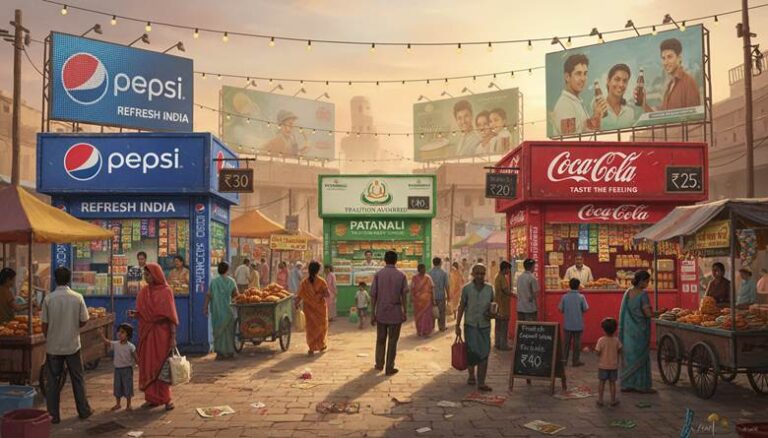
Here is an illustration depicting Coca-Cola’s rural strategy: it shows a rural Indian village scene where a small local shop features Coca-Cola branding and refrigerators stocked with Coke bottles. Villagers, including women and children in traditional attire, are gathered around, some enjoying bottles of Coca-Cola. The background includes mud houses, a dusty road, and green fields, effectively representing how Coca-Cola has reached and integrated into rural markets.
Case 4: ITC e-Choupal
Description: ITC set up internet kiosks in villages to provide farmers with information on weather, prices, and best practices, changing how rural consumers access information and make decisions.
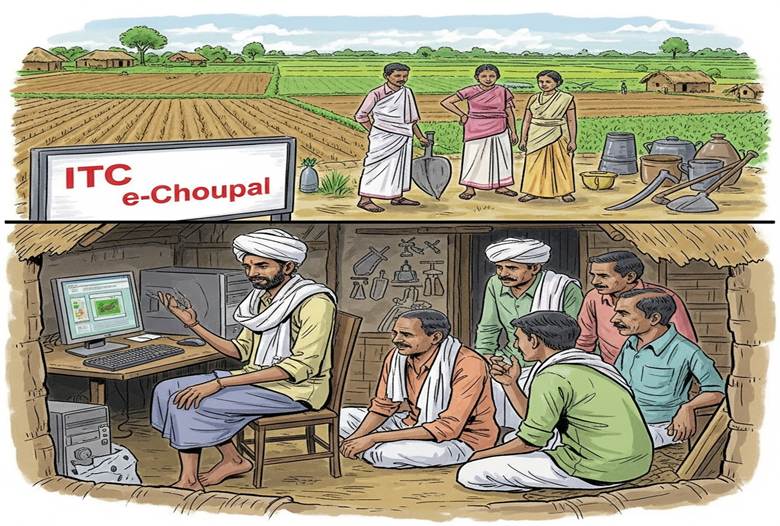
Here is an illustrative image representing the ITC e-Choupal case study: It shows a rural Indian farmer using a computer terminal inside a simple village setup, with an ITC e-Choupal signboard in the background. The screen displays agricultural information that other farmers gather around to discuss. The setting includes traditional elements like fields, agricultural tools, and villagers in typical rural attire, highlighting how technology is empowering farmers through ITC’s initiative.
Key Features of the e-Choupal Strategy
Aspect Details
- Technology: Internet kiosks in villages, often managed by a trained local farmer (Sanchalak).
- Information: Daily updates on market prices, weather forecasts, best farming practices, and news.
- Disintermediation: Reduces the role of middlemen, allowing farmers to sell directly to ITC at better prices.
- Community Focus: Centers serve as gathering points for education, healthcare awareness, and agricultural advice.
- Empowerment: Sanchalaks (local coordinators) are trained and earn commission, driving local employment.
Implementation Steps
- Identify Villages: Target areas with good agricultural potential.
- Set Up Kiosks: Equipped with computers, internet, and power backup.
- Select & Train Sanchalaks: Educate local leaders to manage kiosks.
- Build Trust: ITC focuses on transparency and farmer welfare.
- Continuous Support: Regular training, technical support, and updates.
Conclusion
Understanding rural consumer behavior requires a nuanced approach considering the demographic, sociological, and cultural differences. Brands that recognize these unique characteristics and adapt their strategies accordingly—like Unilever, ITC, Mahindra Tractor, and Coca-Cola—have seen success in rural India.