Introduction
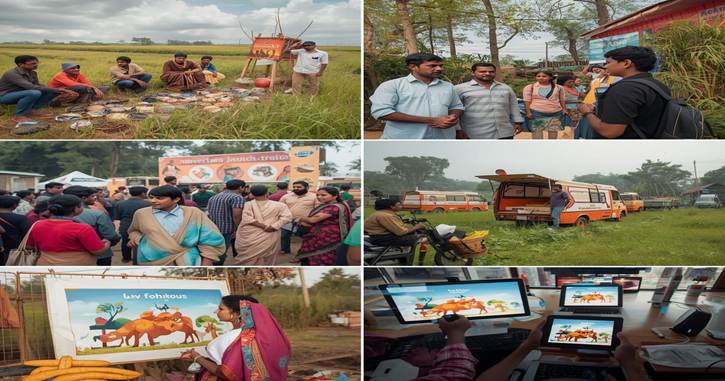
Traditional media plays a vital role in rural marketing and advertising, especially in areas with limited digital access, by leveraging local culture and community touchpoints for high engagement. These methods are cost-effective and build trust through familiarity.
1. Puppetry
Description:
Puppetry is a traditional storytelling art form where puppets are used to narrate stories, often with social or promotional messages.
Case Example:
Lifebuoy Soap (Hindustan Unilever): Used puppet shows to promote hygiene practices and the benefits of handwashing in rural villages, making the message entertaining and memorable.
2. Dance-Drama
Description:
Dance-dramas incorporate local dance and acting to deliver messages, often during festivals or market days.
Case Example:
NGO Health Campaigns: Dance-dramas have been used to promote awareness about vaccination and health practices by integrating product and health messages into folk dance performances.
3. Rural-Specific Art Forms (e.g., Harikatha)
Description:
Harikatha is a traditional South Indian storytelling format combining music, narration, and drama to convey themes.
Case Example:
Agricultural Extension Services: Government agencies have used Harikatha to teach rural farmers about new farming techniques and government schemes by weaving product benefits into the narrative.
4. Decorated Bullock Carts
Description:
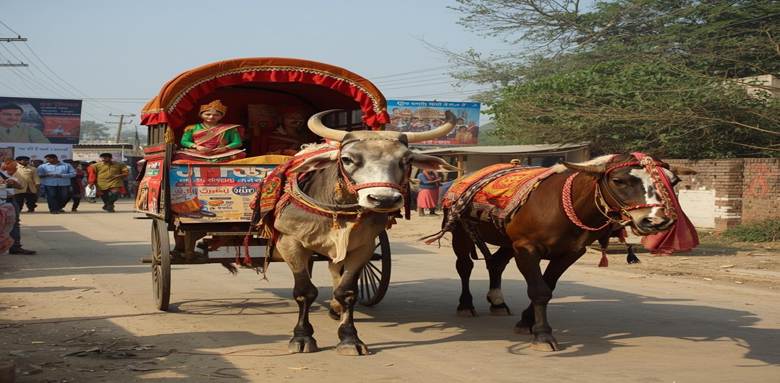
Bullock carts, beautifully decorated and branded, traverse villages to draw attention and distribute samples or information.
Case Example:
Colgate-Palmolive: Used decorated bullock carts carrying promotional material and free samples to reach interior villages where modern vehicles could not go, attracting crowds and spreading awareness.
5. Folk Theatre (e.g., Nautanki, Jatra, Tamasha)
Description:
Folk theatre forms are region-specific live performances that are highly popular in rural India.
Case Example:
Hindustan Unilever: Adopted folk theatre, like Nautanki in North India, to promote products such as Wheel detergent, integrating product benefits into the storylines.
6. Demonstration (House-to-House)
Description:
Door-to-door live product demonstrations by trained promoters, often targeting women in the household.
Case Example:
Godrej Consumer Products: Sent female promoters to demonstrate Godrej hair dye, showing the ease of use and immediate results, which increased adoption among rural women.
7. Haats and Melas (Weekly Markets and Fairs)
Description:
These are regular rural gatherings ideal for product displays, sampling, and demonstrations.
Case Example:
Britannia: Set up stalls at village fairs (melas) to distribute free biscuit samples, boosting brand familiarity and sales.
8. Wall Paintings
Description:
Brightly colored murals on village walls featuring product branding and messages.
Case Example:
Vim Bar & Wheel Detergent (HUL): Used wall paintings in rural areas to reinforce brand recall where print media reach was limited.
9. Posters
Description:
Posters are displayed at prominent places like Panchayat offices, schools, and markets for product promotion.
Case Example:
FMCG Brands: Use posters to announce new product launches, special offers, and educate about product usage.
10. Agricultural Games
Description:
Organizing games or competitions around agricultural activities (e.g., ploughing, seed-sowing) with branded rewards.
Case Example:
Monsanto: Sponsored ploughing competitions where winners received branded merchandise, creating awareness among farmer communities.
Conclusion:
Traditional media are powerful tools for rural product promotion, as they leverage local culture, community gatherings, and personal interaction. Brands that creatively engage these channels often achieve high visibility and trust in rural markets.