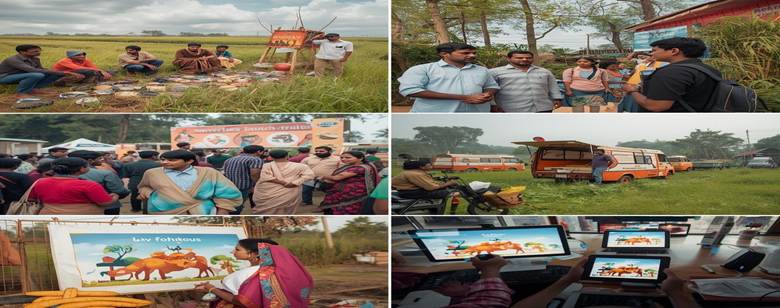
New Product launch Techniques for Rural Markets
Launching a new product in rural markets requires a distinct approach compared to urban areas, given the differences in consumer behavior, accessibility, and communication. Here are effective techniques, along with real-world brand examples:
1. Small-Packaging (Sachets)
Technique: Launch products in small, affordable packs to match rural consumers’ limited purchasing power.
Case Example:
Brand: Hindustan Unilever Limited (HUL)
Product: Shampoo sachets (e.g., Clinic Plus, Sunsilk)
Impact: The ₹1 sachet made branded shampoos accessible to rural consumers, resulting in a huge increase in penetration and volume sales.
2. Live Demonstrations and Roadshows
Technique: Organize live product demos in villages, haats, and melas to show usage and benefits, building trust and awareness.
Case Example:
Brand: Mahindra Tractors
Product: New tractor models
Impact: Mahindra organizes demonstration events where farmers can test-drive tractors, ask questions, and see the results on their own fields.
3. Use of Traditional Media and Folk Communication
Technique: Communicate product benefits through folk media such as puppet shows, street plays, and local festivals.
Case Example:
Brand: Lifebuoy (HUL)
Product: Lifebuoy Soap
Impact: Lifebuoy used “Nukkad Natak” (street plays) and wall paintings to educate villagers about handwashing and hygiene.
4. Tie-ups with Local Influencers and Institutions
Technique: Partner with self-help groups, Panchayats, or respected local leaders to build credibility and facilitate adoption.
Case Example:
Brand: Tata Swach Water Purifier
Product: Low-cost water purifier
Impact: Tata Chemicals worked with local NGOs and self-help groups to demonstrate and distribute Tata Swach in remote villages, increasing reach and trust.
5. Mobile Vans and Sampling Drives
Technique: Use branded vans to visit villages, conduct awareness sessions, and distribute free samples.
Case Example:
Brand: Colgate-Palmolive
Product: Colgate toothpaste
Impact: “Colgate vans” visited schools and markets to teach oral hygiene and provide free samples, boosting product adoption.
Conclusion:
Success in rural product launches comes from understanding local needs, leveraging community trust, and using creative, direct engagement strategies. Brands that adapt their methods—like using sachets, live demos, and folk media—have consistently succeeded in rural markets.