Introduction
Globalization and modernization expose rural Indian consumers to global brands and urban lifestyles via media and migration, shifting preferences from basic needs to aspirational purchases. Technological factors, including smartphones and digital payments, enhance access to information and e-commerce, accelerating informed buying despite infrastructure gaps. These drivers transform traditional behaviors in a market worth over $100 billion annually.
1. Globalization/Modernization
Introduction
Urban migration and schemes like MGNREGA boost disposable incomes, enabling premium buys during festivals. Aspirational shifts lead to two-wheelers over cycles in Punjab villages.
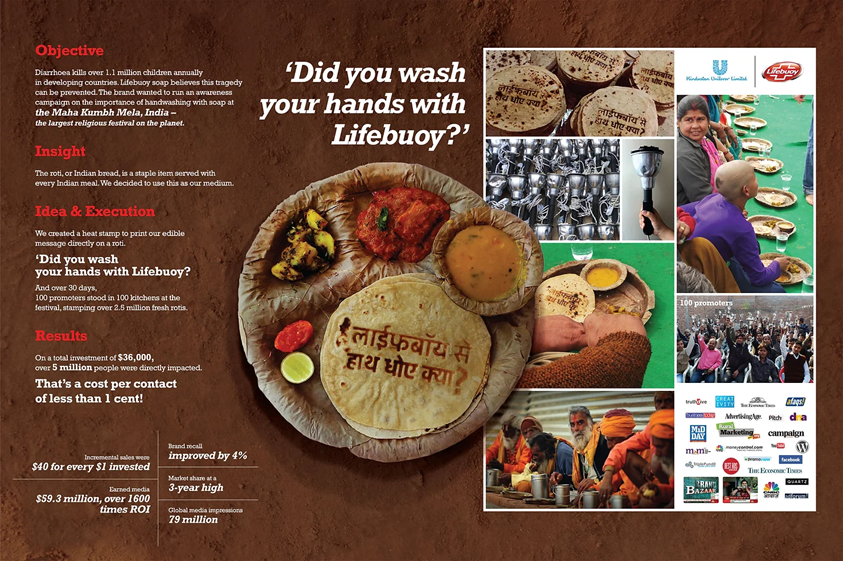
Example 1: HUL’s Lifebuoy campaigns modernized hygiene norms in Uttar Pradesh, increasing soap usage 3x through community demos aligned with evolving lifestyles.
Here is a visual representation of HUL’s Lifebuoy campaign modernizing hygiene norms in Uttar Pradesh: the image features rural children and mothers in traditional attire washing their hands with Lifebuoy soap at a community handwashing station. A colorful Lifebuoy campaign banner and educational posters about handwashing are visible, set against a backdrop of typical rural North Indian houses and trees. This scene highlights health awareness and community participation, reflecting how Lifebuoy has helped promote improved hygiene practices in the region.
How it affects rural consumer behavior:
- Exposure to new products and brands: Rural consumers are increasingly exposed to urban lifestyles, global brands, and new products through television, the internet, and migrants returning from cities.
- Changing aspirations: Modernization leads to changes in preferences, with rural consumers aspiring for better quality, branded goods, and modern amenities.
- Shift in consumption patterns: Traditional preferences may provide way to global trends, changing food habits, fashion, and entertainment choices.
Example 2: A rural family that previously wore only traditional clothing now desires branded T-shirts and jeans after seeing advertisements and relatives wearing them.
Case Study: Hindustan Unilever’s Project Shakti
- Background: HUL launched Project Shakti to empower rural women as direct-to-consumer sales agents for its products.
- Impact: Products like Lifebuoy soap, Fair & Lovely, and Wheel detergent reached remote villages. Micro-entrepreneurship exposed rural consumers to modern hygiene and beauty products, thereby altering their buying patterns and preferences.
- Result: The project not only increased product accessibility but also modernized consumption habits in rural India.
2. Technological Factors
Smartphones (72% of rural areas have them) and UPI make COD e-commerce possible, and 36% of digital payments come from villages. Jio’s affordable data spurred online research, doubling rural online buys from 4% to 8% (2015-2016).
Example 1: BCG’s rural surveys across 14 states showed connected consumers like “Vikas” upgrading data packs, influencing 80% of purchases via apps in Maharashtra.

Here is a visual representation based on BCG’s rural surveys in Maharashtra: The image shows a young rural man, representing “Vikas,” using his smartphone in a village setting to upgrade his data pack through a mobile app. On his phone screen, icons of popular shopping apps are visible. In the background, other villagers are watching and discussing, illustrating how his actions influence their purchase decisions. The scene includes typical elements of a rural Maharashtra village, such as traditional houses, motorcycles, and lush greenery, highlighting digital adoption and peer influence among rural consumers.
How it affects rural consumer behavior:
- Access to information: Mobile phones and the internet allow rural consumers to compare prices, learn about products, and access services previously unavailable.
- Online transactions: Growth of digital payments and e-commerce introduces villagers to new ways of shopping.
- Awareness and education: Technology spreads awareness about modern agricultural practices, healthcare, and financial products.
Example 2: A farmer uses a mobile app to look up weather forecasts and compare crop prices in different markets before deciding when and where to sell his crops.
Case Study: ITC e-Choupal
- Background: ITC set up e-Choupal digital kiosks in villages, giving farmers access to real-time information on crop prices, weather, and best farming practices.
- Impact: Farmers became more informed, reduced their dependence on middlemen, and improved their income by selling their produce at better rates.
- Result: This technological intervention transformed decision-making and purchasing behavior among rural farmers, making them more empowered and market-driven.
In summary:
Globalization/modernization brings new aspirations and products to rural consumers, changing what they buy and how they buy it (e.g., Project Shakti).
Technology empowers rural consumers with information and accessibility, enabling smarter choices and new consumption habits (e.g., ITC e-Choupal).